The Role of Social Media in Lead Generation for Small Businesses in the Philippines

The Digital Shift in Lead Generation
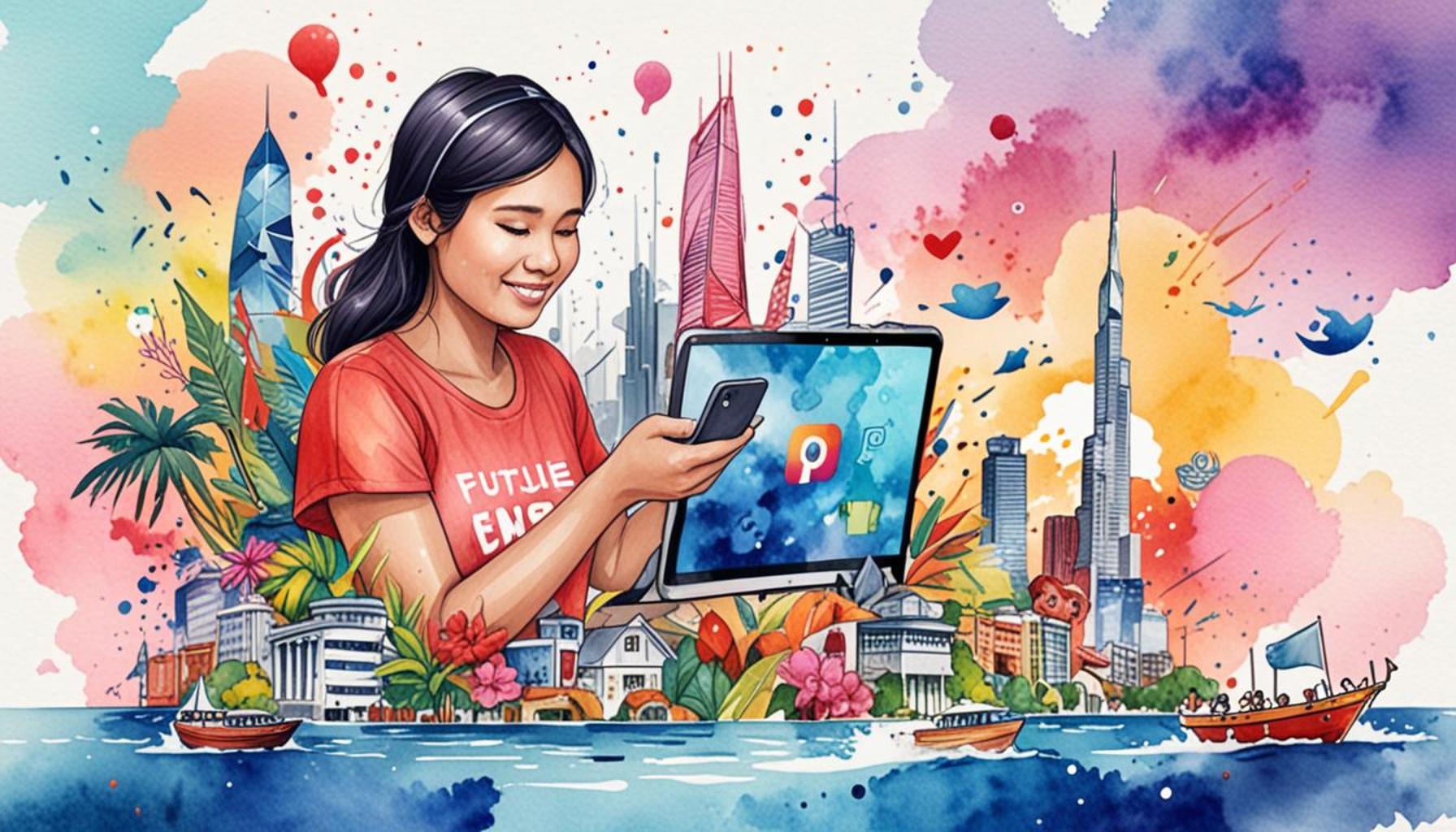
In the dynamic landscape of today’s business environment, small businesses in the Philippines are increasingly leveraging the vast potential of social media to reinvent their lead generation approaches. The explosion of platforms such as Facebook, Instagram, and TikTok has transformed traditional connection methods between businesses and prospective customers. This digital shift extends beyond being a fleeting trend; it signifies a remarkable evolution in the operational frameworks of enterprises across the country.
The Impact of Social Media
Utilizing social media for lead generation presents an array of distinctive opportunities that can significantly enhance a small business’s reach and efficacy:
- Enhanced visibility: With a few clicks, businesses can extend their brand message to a global audience, surpassing the limitations of traditional marketing approaches. A local bakery in Metro Manila can now showcase its delicious pastries not only to nearby residents but also to potential customers in neighboring provinces through targeted ads.
- Engagement: Social media facilitates immediate and real-time interactions, fostering meaningful relationships with potential customers. For instance, a small clothing retailer can engage directly with customers through Instagram Stories or Facebook Live sessions, answering questions and showcasing new collections, making them feel valued and heard.
- Cost-effectiveness: Compared to the steep costs often associated with traditional advertising media, social media advertising offers an economical alternative. A startup can utilize Facebook Ads with a small budget to effectively reach thousands, enabling even the smallest of enterprises to compete on a larger scale.
As we transition further into the digital epoch, innovation becomes paramount for small businesses to remain relevant and competitive. Integrating social media marketing into their operations is, therefore, not just advantageous but imperative. It empowers business owners to connect with emerging demographics, particularly tech-savvy millennials and Gen Z, who frequently rely on social platforms for purchasing decisions.
Emerging Trends
Amidst this vibrant evolution, several trendy strategies are making their mark:
- Influencer Collaborations: Engaging local influencers allows brands to authentically reach targeted demographics. A beauty brand could partner with a beauty vlogger in Cebu, harnessing their following to build new customer relationships.
- User-generated content: Encouraging customers to share their experiences creates a sense of community and boosts credibility. For example, a travel agency can incentivize clients to post pictures from their trips, effectively using these testimonials as powerful marketing tools.
- Social Commerce: The integration of shopping features on social media platforms allows businesses to sell products directly to consumers without the need for external websites. A small handicraft shop can showcase and sell local artisanal products directly through Instagram, simplifying the purchasing process for customers.
By adopting these emerging trends, Filipino small businesses not only stand to generate leads but also cultivate enduring connections that can propel their growth and innovation. Embracing the digital landscape with enthusiasm will position them at the forefront of tomorrow’s marketplace, transforming challenges into opportunities for a brighter future.
SEE ALSO: Click here to read another article
Harnessing the Power of Social Media
As small businesses in the Philippines embark on their digital journey, the transformative role of social media in lead generation cannot be overstated. In an era where the internet serves as a major marketplace, the utilization of social platforms presents groundbreaking avenues for growth and success. By embedding social media into their marketing strategies, small enterprises can not only thrive but also redefine their customer engagement approach.
The Dynamics of Engagement
Engagement stands at the core of effective lead generation, and social media platforms offer unmatched capabilities to spark interactions. Unlike traditional advertising methods that often remain one-sided, social media empowers small businesses to participate in dialogues with their audience:
- Real-time interactions: The immediacy of social media allows businesses to respond to inquiries and comments swiftly. A small food stall in Davao can share updates about new flavors and promotions directly, encouraging feedback that fosters a community atmosphere.
- Personalized content: By tailoring content to specific segments of their audience, businesses can resonate with potential customers on a deeper level. For instance, a boutique selling traditional Filipino attire can create visually appealing posts showcasing how their clothing fits into various cultural celebrations, thus attracting interest from prospective buyers.
- Storytelling: Sharing compelling stories and behind-the-scenes glimpses into the brand humanizes the business and builds a connection. A local coffee shop could highlight the journey of its beans from farm to cup, inviting customers to be part of the narrative while promoting a more meaningful buying experience.
As businesses engage through these tactics, they effectively cultivate brand loyalty and trust, making social media an indispensable tool in their lead generation arsenal. It allows them also to tap into the diverse demographics within the nation, reaching not just urban centers like Manila but extending to emerging markets in the provinces.
Shifting Strategies for Evolving Markets
Understanding the nuances of consumer behavior in the digital age shapes the future of small business strategies. The shift from passive consumption to active participation represents a new wave of marketing where the audience is not just a target but also a vital contributor. As such, brands must be adaptable to remain relevant:
- Data-driven decisions: Social media analytics provide businesses with insight into customer preferences and behaviors, enabling them to make informed adjustments to their marketing approaches. A fitness studio could analyze which posts lead to the most engagement and tailor future content accordingly.
- Collaborative campaigns: Partnering with other local businesses creates a ripple effect in lead generation. A small farm-to-table restaurant can team up with suppliers or even nearby artisans to co-create content that benefits all involved, expanding reach and diversifying audiences.
- Localized targeting: Using geo-targeting features in social media ads allows businesses to focus their efforts where it matters most. A delivery service can target ads specifically to neighborhoods with high demand, ensuring that resources are allocated efficiently.
In embracing these innovative strategies, small businesses in the Philippines can not only generate leads but also forge deeper relationships with their communities. The potential for growth fueled by social media engagement is immense, and its effective use marks the difference between mere survival and thriving success in an increasingly competitive landscape.
SEE ALSO: Click here to read another article
Innovating Lead Generation through Technology
The incredible pace of technological advancement has introduced new tools that have the potential to reshape the landscape of lead generation for small businesses in the Philippines. With the rise of artificial intelligence and automation, it is now possible for businesses to optimize their social media strategies to maximize lead generation while saving time and resources.
AI and Chatbots: The Future of Customer Interaction
Integrating AI-driven chatbots into social media platforms can revolutionize customer service, enabling businesses to maintain 24/7 availability. Imagine a small travel agency in Cebu using a chatbot on their Facebook page to instantly respond to queries about tour packages. This can greatly enhance the user experience, ensuring that potential leads are engaged without delay:
- Immediate response times: Customers looking for quick information are more likely to convert into leads when their questions are answered without any waiting time.
- Personalized recommendations: Chatbots can analyze user interactions and deliver customized suggestions, improving the chance of conversion. For example, a local clothing shop can use a chatbot to recommend outfits based on customer preferences.
This leap in customer interaction not only builds stronger relationships but also streamlines lead generation processes, allowing small businesses to capture and nurture leads efficiently.
Visual Content and Live Streaming
Visually engaging content has always been a key player in social media marketing. With the advent of video capabilities and live streaming, small businesses in the Philippines can now showcase their offerings like never before:
- Demonstrative videos: A small artisanal bakery in Tagaytay can create short videos showcasing the baking process, highlighting the freshness of their ingredients. This creates an inviting atmosphere that attracts followers and generates leads.
- Live events: Hosting live Q&A sessions or virtual tours allows businesses to engage their audience in a dynamic format. A local wellness center could offer live yoga classes during which participants can ask questions, providing them with real-time engagement and generating interest in their services.
Such interactive content not only captures attention but also encourages shares and community-driven marketing, effectively increasing visibility and potential leads.
Leveraging Influencer Marketing
With the continued rise of influencer marketing, small businesses have an opportunity to form partnerships with local social media personalities that resonate with their target market. Influencers can authentically endorse products, thus creating a powerful channel for lead generation:
- Local relevance: Partnering with micro-influencers from nearby communities can result in trust-building endorsements. A neighborhood café could collaborate with popular food bloggers to showcase their unique offerings to a targeted audience.
- User-generated content: Encouraging customers to share their experiences on their social profiles can amplify reach. A small boutique encouraging customers to post pictures in their outfits can create a buzz, driving more leads to the business.
This collaborative effort not only broadens the audience base but also cultivates an environment where recommendations drive customer interest significantly.
The Future is Mobile-First
In the Philippines, where mobile internet usage is rampant, adopting a mobile-first approach in social media marketing is paramount. Businesses must ensure that their content is optimized for mobile devices, facilitating seamless navigation and easy lead capture:
- Mobile-friendly ads: Crafting advertisements that cater to mobile users’ preferences can enhance engagement. A local service provider can create visually appealing ads that load quickly and link directly to mobile-friendly landing pages.
- Responsive design: Ensuring websites and online stores are easily navigable on smartphones can capture leads from users browsing via social media. A local crafts store that offers an engaging mobile shopping experience will likely convert more casual browsers into paying customers.
Embracing these innovative strategies and technologies positions small businesses in the Philippines to harness social media’s full potential, transforming them into agile players in the competitive market landscape. For those willing to adapt and innovate, the opportunities for lead generation are boundless.
CHECK OUT: Click here to explore more
Harnessing Social Media for Business Growth
In today’s rapidly changing business landscape, small enterprises in the Philippines are increasingly recognizing the transformative power of social media in lead generation. The integration of innovative technologies such as AI-driven tools enhances not just outreach but also the ability to analyze potential customer behaviors and preferences. For instance, AI algorithms can analyze social media interactions to suggest optimal posting times, types of content that resonate with audiences, and trends that may be worth tapping into. This kind of insightful data allows businesses to craft messages that speak directly to the needs and wants of their target audience.
In addition to AI, the emergence of dynamic visual content such as video clips, infographics, and interactive posts captures the attention of viewers more effectively than static images. Philippine businesses, particularly those in tourism and hospitality, can benefit immensely from showcasing their offerings through immersive virtual tours or engaging storytelling via platforms like Instagram and TikTok. By utilizing such content, they can create memorable experiences that lead to higher conversion rates.
Moreover, influencer partnerships present an exciting opportunity for small businesses aiming to extend their market reach. Collaborating with local influencers who align with a brand’s values can amplify message dissemination to larger audiences while also fostering authenticity and trust among potential customers. The popularity of influencers in the Philippines, especially in sectors such as fashion, food, and travel, showcases their ability to significantly impact consumer decision-making.
The trend towards a mobile-first approach may also highlight the importance of refining user experiences across mobile devices. With a high penetration of smartphones in the Philippines, optimizing websites and marketing efforts for mobile usage is crucial. Small businesses must prioritize seamless navigation and fast-loading pages to capture the attention of on-the-go consumers.
Ultimately, embracing these strategies paves the way for small enterprises to create a vibrant, community-driven marketing environment. By fostering engagement and loyalty among customers, these businesses can not only grow their client base but also enhance customer retention and brand reputation. As they chart this path forward, those that adeptly integrate technology and social media will find themselves on the competitive edge in the bustling Philippine market.
The ongoing digital transformation presents an exciting future for small businesses. By investing in these innovative strategies today, they will be better positioned to seize opportunities and navigate the complexities of tomorrow’s market. It is communities united by technology that will ultimately lead this charge into a prosperous and thriving future.